Best Daily Typing Practice Exercises to Increase Speed
Getting faster at typing isn’t just about putting in more time—it’s about how you practice. A lot of people spend hours typing and still don’t improve much, mainly because they’re not using the right approach.
You don’t need to spend hours practicing. Even 15–20 minutes a day, done with focus, can make a real difference in your speed and accuracy. If you want a step-by-step approach, you can also check out our typing speed improvement guide.
A few typing exercises which one can perform every day without complicating matters have been provided in this guide. These exercises will suit not only the novices but also anyone who wishes to type faster step-by-step.
Before one starts practicing his/her typing skills, it is wise to find out the present speed of typing to be able to make a comparison later. It is important to adopt correct finger placement while typing.

1. Start with Home Row Practice
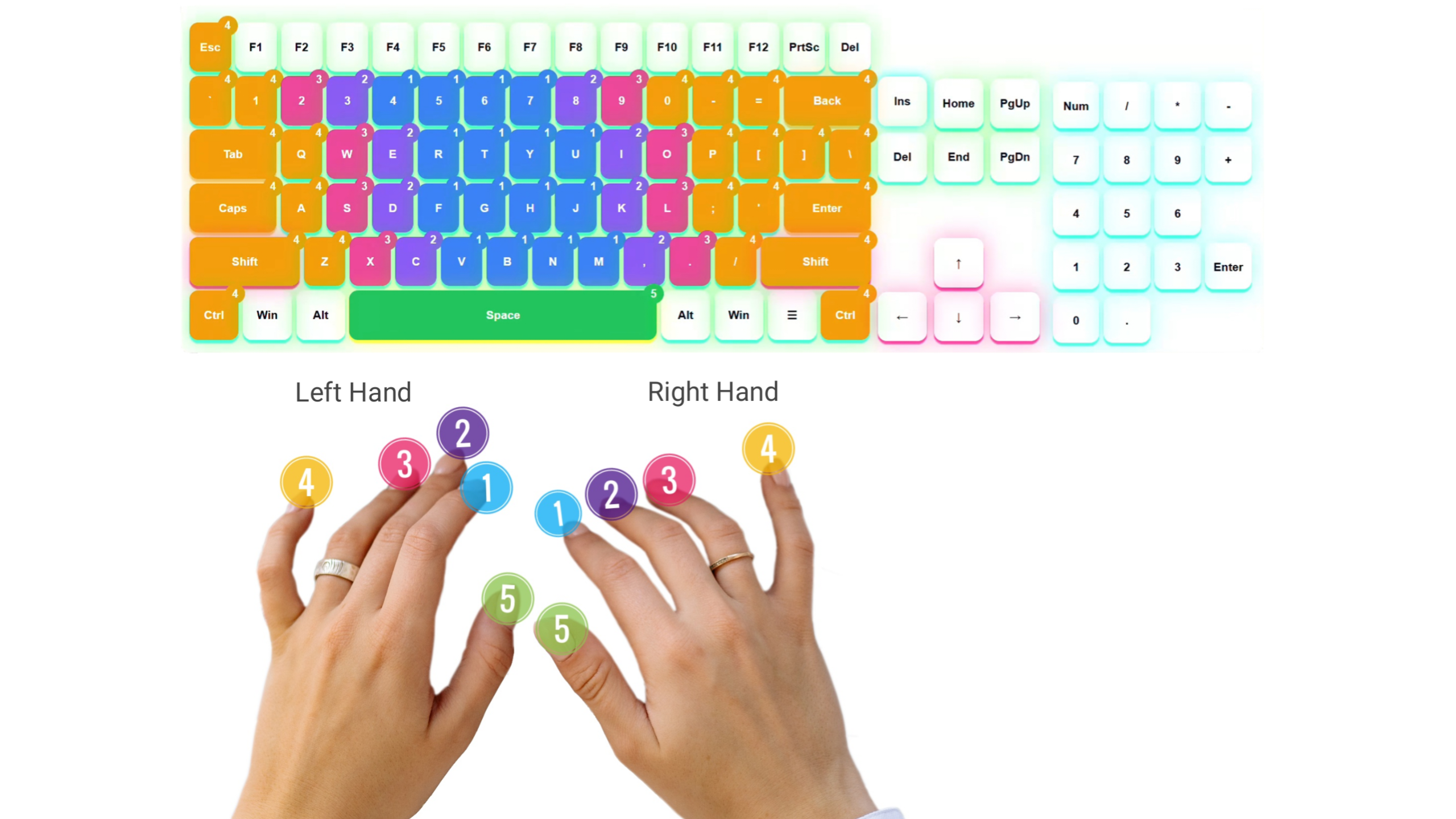
Any typing practice really starts with the basics, and that means getting used to the home row keys first.
Place your fingers on:
Left hand: A, S, D, F
Right hand: J, K, L, ;
Practice simple combinations like:
asdf jkl;
fj dk sl a;
It can feel a bit repetitive at the start, but that’s actually how your fingers get used to where everything is. If you want to understand it better, you can go through the finger placement guide.
2. Practice Single-Key Repetition
This exercise helps improve finger control and accuracy.
Pick one key and repeat it:
aaaaa sssss ddddd fffff
Try doing the same thing with different keys across the keyboard too—it helps your fingers become more accurate.
3. Move to Key Combinations
Once single keys start feeling easy, you can move on to practicing key combinations.
Examples:
as as as
df df df
jk jk jk
This helps your fingers work together more smoothly instead of moving randomly.
4. Practice Common Words
Instead of practicing random letters, start typing common words you use every day.
Examples:
the, and, is, you, that, this, have
Since these words come up often, practicing them actually helps improve your real typing speed.
5. Practice Full Sentences
Once words start feeling easy, move on to typing full sentences.
Example:
The quick brown fox jumps over the lazy dog.
Sentences like this use almost all the keys, so they’re really useful for practice.
6. Focus on Accuracy First
While practicing, do not rush.
If you push for too much speed too soon, you’ll end up making more mistakes, which slows you down over time. You can read more about this in our common typing mistakes guide.
Try to keep your accuracy around 90% or more. Once you get that right, your speed usually improves on its own.
7. Practice Without Looking at the Keyboard
This is one of the most important exercises.
Practice typing without looking down at the keyboard—keep your eyes on the screen instead.
It might feel slow and a bit awkward at first, but that’s normal. This is an important step if you want to build proper touch typing skills.
8. Use Timed Typing Tests
Timed tests are useful because they push you to type faster and help you see how you’re improving.
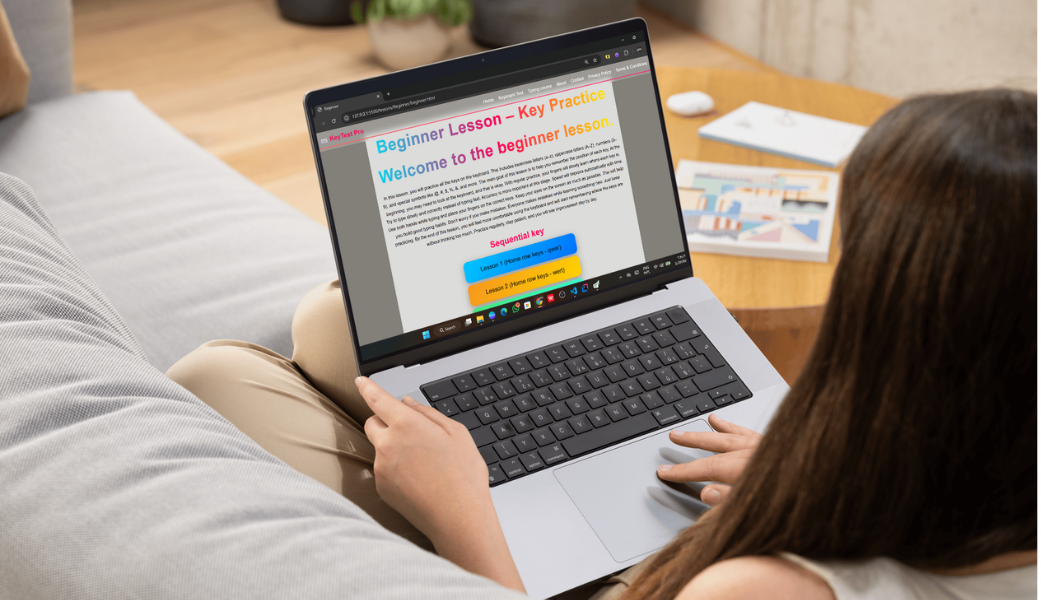
You can use the typing test tool to practice for short sessions like 1 minute, 3 minutes, or 5 minutes.
At the beginning, don’t put too much pressure on yourself to type really fast. Just practice regularly and speed will come slowly with time.
9. Practice with Real Content
Random text can be good for practice, but typing normal sentences feels more natural and helps in real situations too.
You can practice by typing:
- Articles
- Stories
- Notes
This improves your natural typing flow.
10. Maintain Proper Posture

While typing, try to sit comfortably instead of leaning too much. Keep your body relaxed and your feet resting normally.
Sitting properly can make typing feel a lot easier, especially when you practice for a long time.
11. Create a Simple Daily Routine
If you’re confused about where to start, you can simply follow this 20-minute practice routine.
- 5 minutes – Home row practice
- 5 minutes – Word practice
- 5 minutes – Sentence typing
- 5 minutes – Typing test
Practicing with a routine usually works better because it keeps things regular and organized.
12. Stay Consistent
Honestly, the people who improve their typing the most are usually the ones who practice consistently.
You don’t have to practice for hours every day. Even a little daily practice can improve your typing after some time.
If you take long breaks and stop practicing for days, it can become harder to maintain your progress.
Conclusion
Improving your typing speed is not as hard as many people think. Start with the basics, pay attention to accuracy, and keep practicing regularly.
Try to practice with proper exercises, keep an eye on your progress, and stay regular with it. Little by little, you’ll notice both your speed and confidence improving.
You can begin practicing today with our typing speed test and check out more useful typing tips and guides in the blog section.