How to Improve Typing Speed (Complete Guide for Beginners)
Start typing without knowing how, that happens a lot. Few folks ever take time to build real skill at it. Many just tap keys like guessing notes on a piano. Learning proper technique slips through the cracks. Some never slow down enough to fix their habits. Others copy what they see, which spreads messy ways forward. Watching fingers fly doesn’t teach control. Mistakes stick because speed feels more important than form. Muscle memory takes over too fast. Real training often comes late, if at all Start typing any way you like. Maybe it's with two fingers, eyes on the keys, piece by piece shaping routines that become part of your days Later becomes tough to alter.
Folks often feel they’re behind when it comes to typing speed - reality? Almost every person types slower than they imagine. Surprise here: how fast you type doesn’t stay locked forever. Growth sneaks in, not loud or flashy, only through doing it again and again Not something you get when born - improvement arrives bit by bit, shaped by doing again and again across days.
Grab your seat. You’re about to see real tweaks that boost how fast you type - minus the pressure. Speed comes easier when steps make sense, never feel tangled. Starting out takes just a handful of core ideas. Not nearly as much hinges on repetition as most assume. It comes down to having an approach that lasts. The real shift happens when you keep going.
You might find moments here or there to try things out with our Check your typing speed or jump into lessons we’ve prepared. Jump into the typing course right here. Check out our site for extra guides that might help. One step at a time, useful tips appear where needed. Pages unfold slowly, offering clarity without rush. Each section builds quietly on what came before. Look around when ready - support hides in plain sight. Visit the typing blogs area right here..

1. Know Where You Stand First
Knowing where you stand comes first when aiming to get faster at typing. Start with a basic test to measure how quick you are right now. Test your typing skills here - a simple way to check how fast you type. See how many words you type each minute.
Typing around 20 to 40 words per minute? That’s where most people start. Falling into this group means nothing’s wrong. Start by measuring where you stand against someone else. Take that moment only to begin moving forward.
What makes testing your pace so useful is how it shows growth over time. Tiny gains still register. Progress appears even when changes seem minor makes you want to move forward.
2. Fix Your Finger Placement (This Changes Everything)
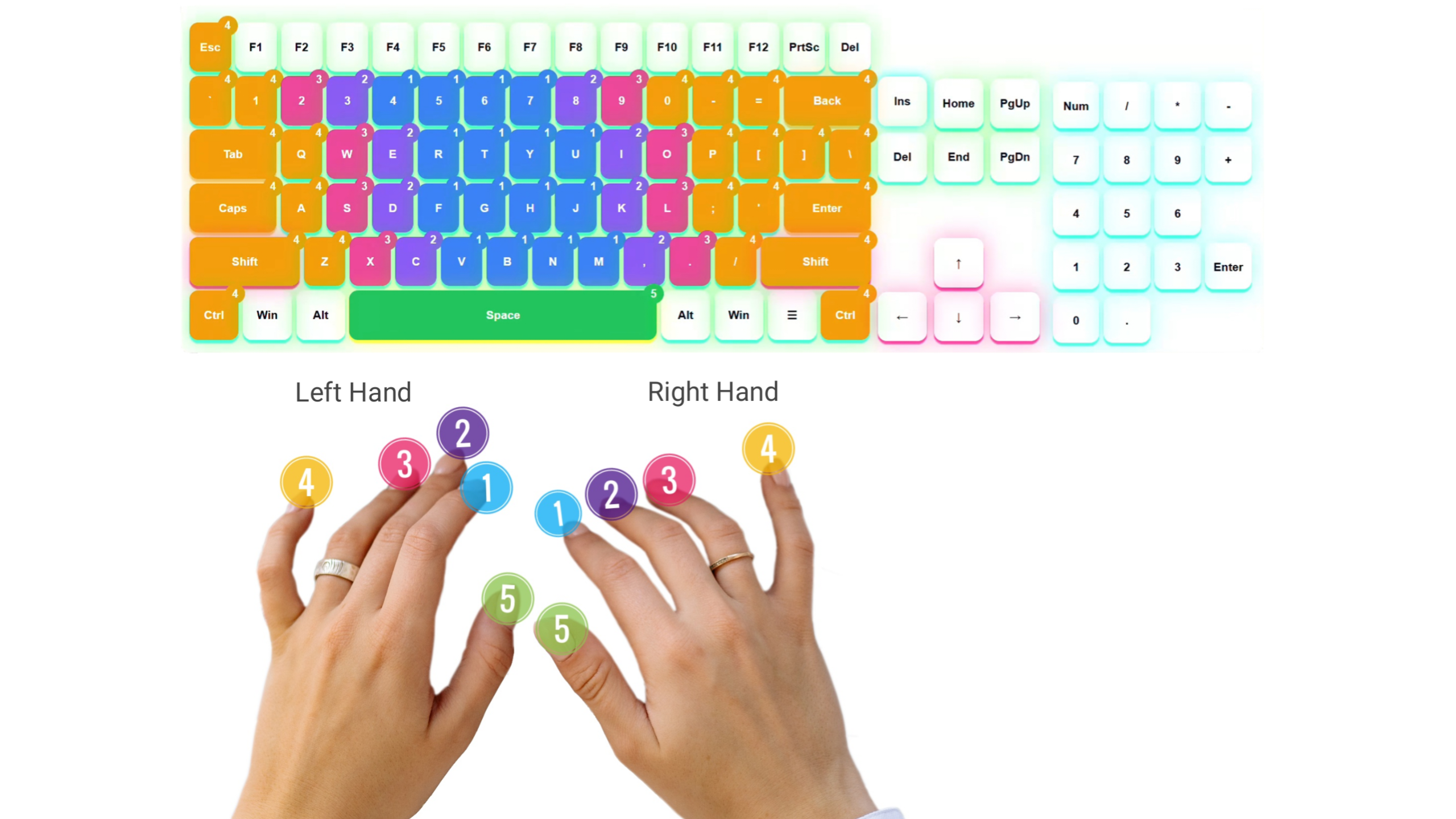
This is the part many find tough. Using just two or three fingers slows things down. It happens before you notice.
Proper finger placement is the foundation of fast typing. Your fingers should rest on the home row keys:
Left hand: A, S, D, F
Right hand: J, K, L, ;
Fingers begin to move differently after a while. It feels strange at first - clumsy, even. Yet practice changes that. Over time, they learn. The odd sensation fades when repetition takes over. Just goes on its own, no thought needed. Happens before you even notice it. Runs in the background, like breathing. Takes over when focus fades away. Keeps going without a single command.
Strange at first, much like picking up any fresh routine. Over time though, it simply fits. Much like how walking feels after hopping on a bike. Start here, move slow through each part inside our typing lessons that help you learn step by step.
3. Don’t Chase Speed—Focus on Accuracy
Most people jump into typing too quickly without slowing down first.
Fast typing might seem cool - yet it's correct keystrokes that save minutes. Mistakes? They just eat up seconds later. Fixing errors takes extra time, which drags the whole process out even further.
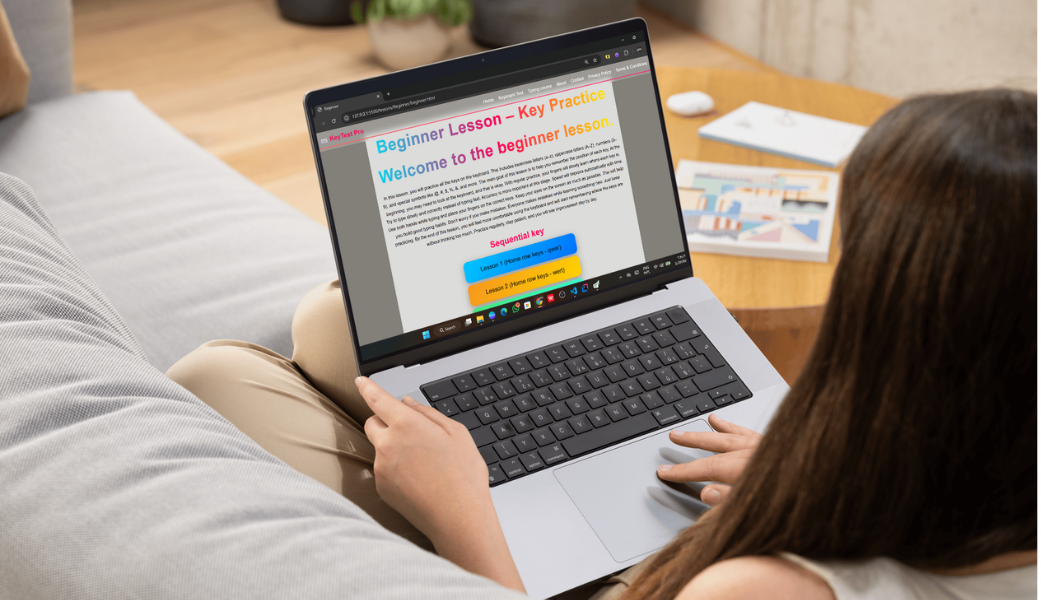
Slow down to get each word right. Hitting ninety percent correct should be the goal. When mistakes drop, pace picks up Tracking both becomes possible through our tools once this step completes. Automatically, the process moves forward from there. Try this online typing test to see how fast you type.
A foundation built well makes the rest feel less heavy. What comes after flows smoother when the start holds firm.
4. Practice Daily (Even a Little is Enough)
Sitting too long at your instrument might drain you instead. Shorter tries often work better, believe it or not.
Each day, spending a quarter to twenty minutes on typing builds skill steadily. A little time, done regularly, makes fingers learn the keys better. Not much effort required - just showing up matters most. Progress shows faster than expected when routine sticks. Small moments add up without needing extra hours.
What matters most? Staying regular with it. Day by day effort trains your hands without thinking. Over time, they start remembering where every key sits now. It flows better when you type.
You can use our typing test tool regularly to check your progress.
5. Stop Looking at the Keyboard

Breaking this habit proves tough for lots of folks.
Staring at the keys may seem useful, yet it drags your speed. That habit interrupts rhythm, replacing smooth typing with hesitation. Looking for keys matters more than recalling where they are. Sometimes the hunt feels easier than memory. What works best often means starting fresh each time. Finding things beats trying to keep track. A new search begins every moment something is lost.
Look at the screen instead of your fingers when you type. At first, errors will happen - it’s normal.
Later on, muscle memory takes over - your hands just know where to go. That’s the moment everything clicks into place get better.
6. Use Proper Practice Instead of Random Typing
Filling the page without thought doesn’t help much.
A routine that follows clear steps makes a big difference. When you move your hands through set patterns, they learn faster. This kind of repetition builds up pace while shaping better control. True precision shows when small details stay clear.
If you are a beginner, start with simple lessons. You can follow our typing course for better results.
7. Maintain a Comfortable Posture

Your sitting position also affects your typing speed.
Curved shoulders slow everything down - words trip when movement lacks flow. Tension builds in stillness, hands dragging like stones on a quiet lake.
Slouching less means your back can relax more naturally. Feet resting flat makes tapping keys easier than perched toes. Level with your palms - that is where the keyboard fits best. Resting your hands feels comfortable when the desk matches how far you reach. A natural posture helps ease pressure on wrists. Without much bending, fingers glide easier across keys.
Fingers glide smoother when posture is upright, since balance supports motion. Less discomfort shows up through hours at the keyboard, because alignment reduces strain.
8. Learn Small Keyboard Shortcuts
Faster typing means more than speed alone. Saving moments during tasks matters just as much.
- Copy: Ctrl + C
- Paste: Ctrl + V
- Undo: Ctrl + Z
- Select All: Ctrl + A
Work picks up speed when shortcuts enter the scene. A shift happens - tasks move quicker than before.
9. Don’t Get Frustrated (Progress Takes Time)
One moment you're moving quick. The next, everything drags along. Totally expected. Most people go through it.
Some days you get faster. Other times, things feel slower. Progress isn’t steady. It jumps around.
Practice shapes growth, no matter how gradual it seems. Though gains appear small, neurons fire, muscles adapt - each repetition counts.
Practice few weeks, and you will definitely notice improvement.
10. Avoid Common Mistakes
Here are some habits that makes you slow:
- Using only a few fingers
- Looking at the keyboard again and again
- Trying to type fast without accuracy
- Skipping regular practice
Fixing these alone can improve your typing speed a lot.
11. Make Practice Interesting
If your practice feels boring, it becomes hard to stay consistent.
Instead, try typing things you actually enjoy—like stories, quotes, or even your own ideas.
You can also make it interesting by challenging yourself to beat your previous typing speed.
When you start enjoying the process, improvement comes naturally.
Conclusion
Improving your typing speed isn’t as hard as it may seem. All it takes is the right approach and a bit of patience.
Focus on accuracy, practice regularly, and try to avoid habits like looking at the keyboard. With time, your typing will become faster and feel much more natural.
You can get started today with our typing speed test tool and check out more helpful tips on our blog page. Even small improvements each day can make a big difference over time.